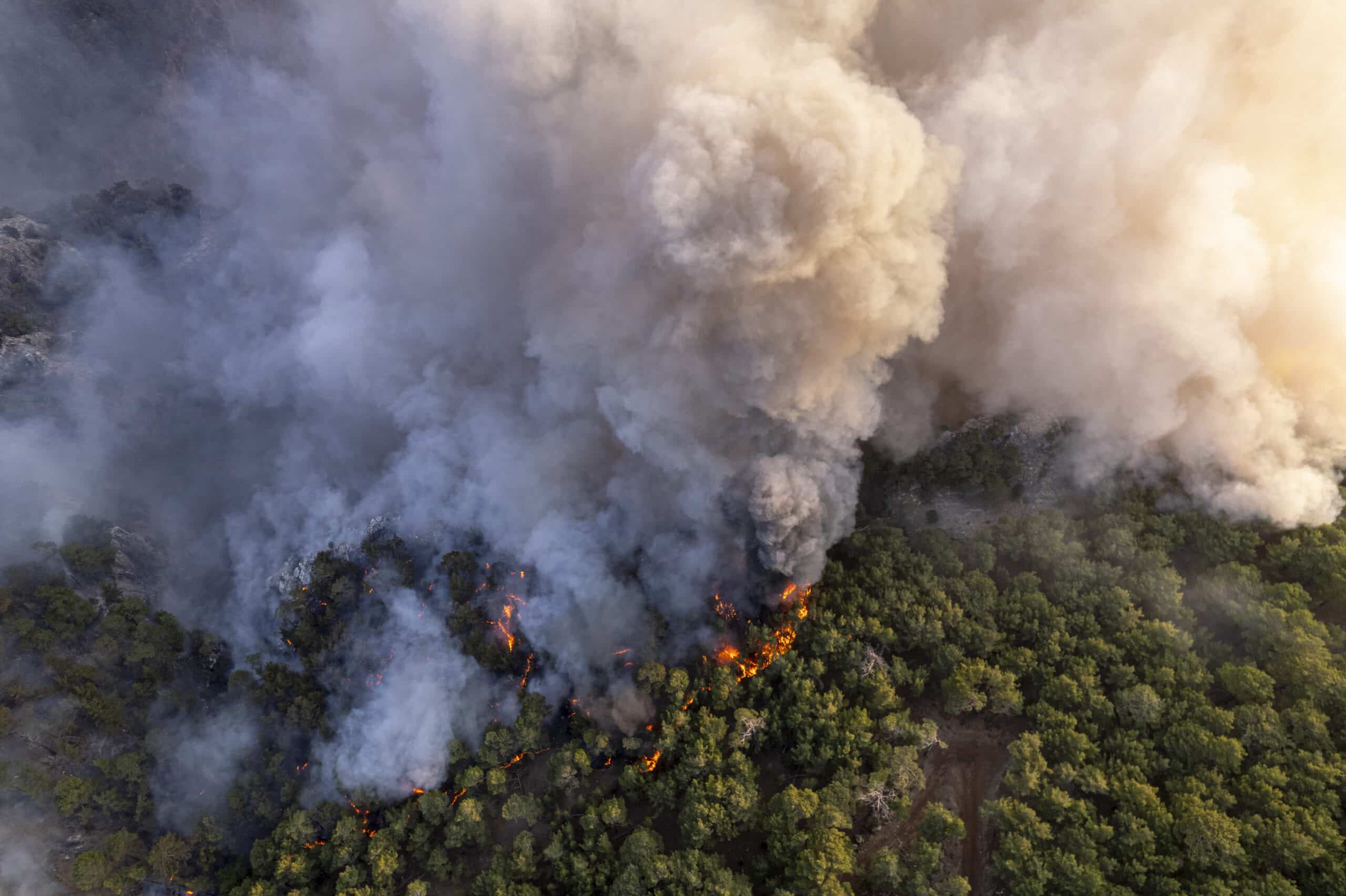
The European Public Health Association (EUPHA) expresses its deepest sympathy and solidarity with all those affected by the devastating wildfires that have swept across Europe during the summer of 2026. We mourn the loss of life, extend our condolences to bereaved families, and stand with the many communities that have lost homes, livelihoods and cherished places. We also pay tribute to firefighters, emergency responders, health professionals, volunteers and local authorities who have worked tirelessly under extraordinarily difficult conditions to protect lives and support affected populations.
These wildfires are not isolated disasters. They are part of a broader pattern of escalating climate-related emergencies that are affecting every part of Europe. This year, measurements of both air and sea temperatures have reached unprecedented levels, exceeding many previous records and moving beyond the ranges anticipated in earlier climate projections. Scientists have repeatedly warned that the pace of climate change is accelerating, with consequences already being felt in the form of prolonged heatwaves, droughts, extreme weather events and increasingly destructive wildfires.
The Pan-European Commission on Climate and Health, convened by the WHO Regional Office for Europe, highlighted that climate change must be understood not simply as an environmental challenge but as a catastrophic threat to human health, security and social stability. The Commission warned that the risks we face are not distant possibilities but present realities, already causing loss of life, undermining food and water security, damaging economies and placing growing strain on health systems.
Of particular concern are the climate tipping points identified by the Commission. These are thresholds beyond which environmental systems may undergo abrupt, potentially irreversible change. The Commission pointed to risks including the weakening or possible collapse of the Atlantic Meridional Overturning Circulation, the accelerating loss of Arctic sea ice, the destabilisation of permafrost systems, and further melting of the Greenland ice sheet. Once crossed, such tipping points could trigger cascading effects across ecosystems, economies and societies. They could disrupt agriculture, threaten food security, increase displacement and migration, intensify conflict over resources and create conditions that challenge the very foundations of human well-being and societal functioning. In this sense, they represent not merely environmental dangers but potential existential threats to humanity.
Already, the health consequences of the current wildfire crisis are profound. In the immediate term, wildfires cause deaths, burns, injuries and traumatic experiences for those directly affected. Smoke exposure can worsen respiratory and cardiovascular disease, increase hospital admissions and place vulnerable individuals, including older people, children, pregnant women and those with chronic illnesses, at particular risk. Displacement, loss of homes and livelihoods, and uncertainty about the future also have major psychological consequences, including anxiety, depression, grief and post-traumatic stress. Health services in affected regions face additional pressure at a time when many are already struggling with workforce shortages and financial constraints.
Looking ahead over the next five years, the health impacts are likely to become even more extensive. Repeated exposure to extreme heat and wildfire smoke will contribute to growing burdens of respiratory, cardiovascular and mental illness. Climate-driven changes may increase food insecurity and affect nutrition, particularly among disadvantaged populations. Expanding ranges of disease vectors could expose new populations to infectious diseases. The cumulative effects of extreme weather events will place increasing pressure on health systems, infrastructure and public finances. Above all, climate change threatens to widen existing social and health inequalities, with the greatest burdens falling on those least able to adapt or protect themselves.
The Commission’s Call to Action provides a clear and evidence-based roadmap. Its recommendations include treating climate change as a major public health and security threat; strengthening climate-resilient and sustainable health systems; supporting community-based climate and health solutions; reforming economic, financial and regulatory systems; phasing out harmful subsidies; improving air quality; and placing health at the centre of climate policy. These are not aspirations for a distant future. They are practical measures that can reduce harm, save lives and build resilience now.
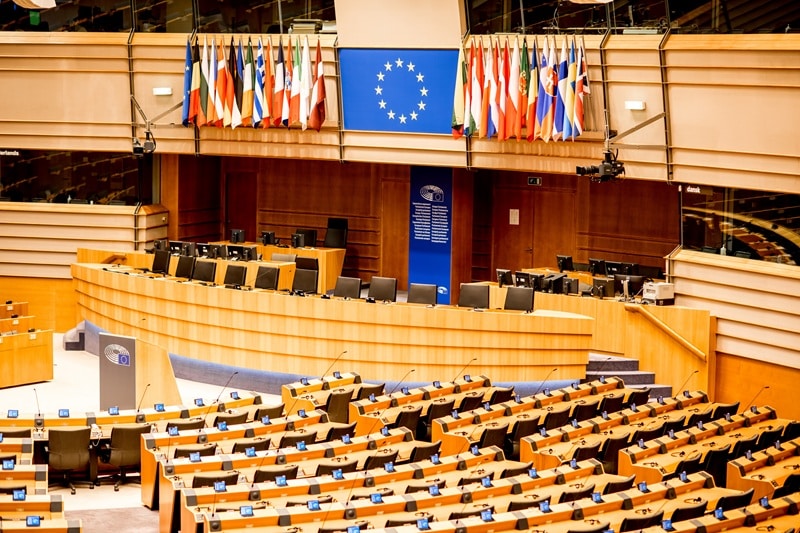
The wildfires of summer 2026 must be a turning point for Europe. Every delay increases the human, social and economic costs. EUPHA therefore calls on governments, international organisations, health institutions and all sectors of society to act with the urgency that this moment demands. We strongly endorse the recommendations of the Pan-European Commission on Climate and Health and call for their immediate implementation. The window for preventive action is rapidly narrowing. We still have an opportunity to protect health, strengthen resilience and avert the most dangerous outcomes of climate change, but only if we act decisively, collectively and now.