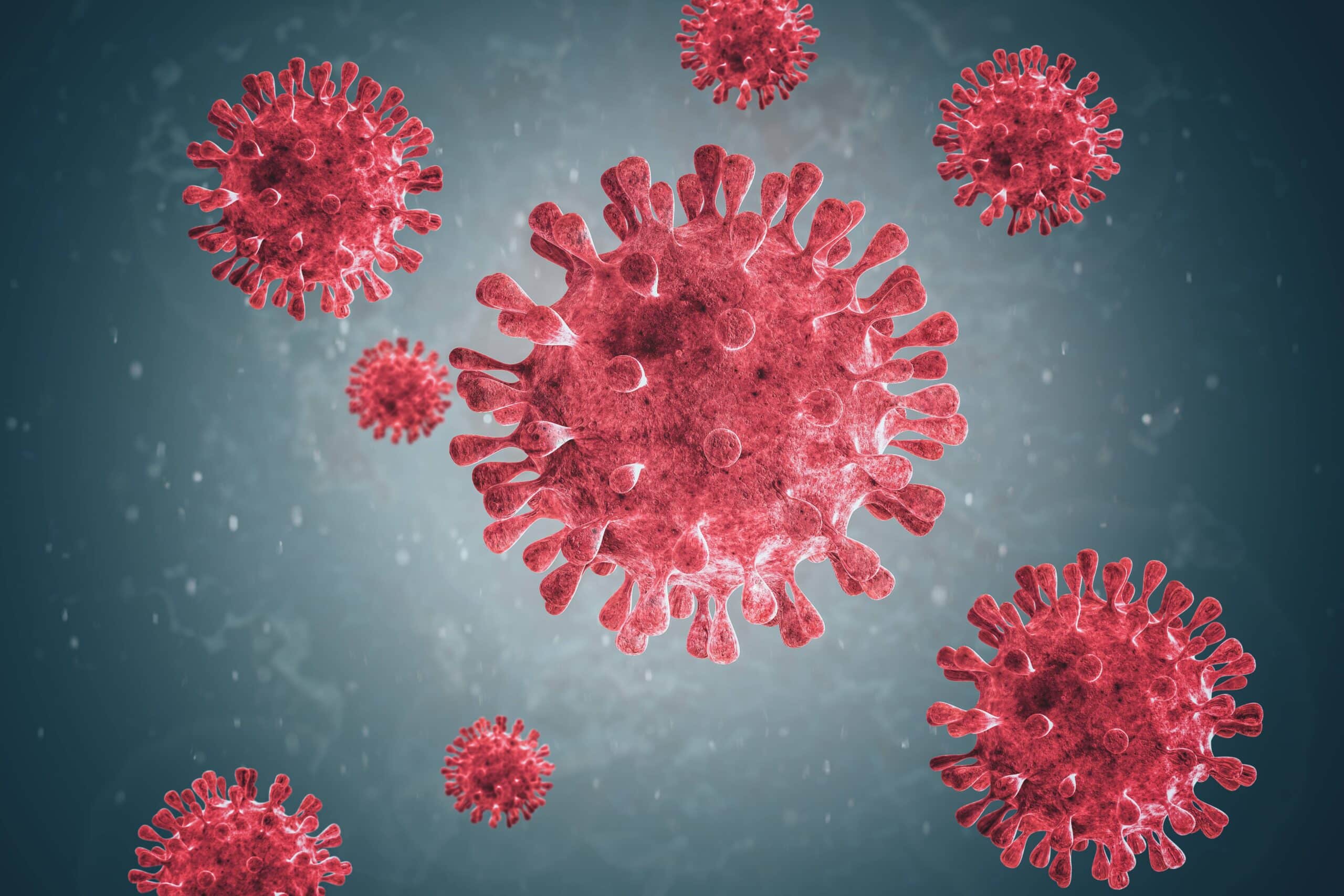
The recent outbreak of Andes hantavirus linked to the cruise ship MV Hondius has provided a timely reminder of the persistent threat posed by emerging infectious diseases. Originating from zoonotic exposure, likely linked to contact with rodent-contaminated environments in South America, the virus spread among passengers in the confined conditions of a cruise ship, with subsequent international dissemination as individuals disembarked and travelled onward.
Although the number of cases remains limited and the outbreak appears to have been contained, its global reach underscores the interconnected nature of modern societies. This incident must be understood not as an anomaly, but as part of a broader pattern of zoonotic spillover events that are increasing in frequency due to environmental change, global travel, and human behaviour.
A defining feature of this outbreak has been the substantial role of chance, both in its emergence and in its containment. The initial infections arose from a series of contingent events, including exposure to rodent habitats in locations such as landfill sites frequented by bird watchers. The subsequent amplification of transmission on a crowded cruise ship illustrates how easily such circumstances can create high-risk environments for the spread of infection. At the same time, chance played an equally important role in the response: critically ill individuals were transported to South Africa, where a vigilant team in a well-equipped laboratory rapidly identified an uncommon pathogen.
This outbreak could easily have taken a more severe course. The timely recognition of hantavirus, aided by prior scientific research demonstrating the potential for human-to-human transmission of the Andes strain, was instrumental in shaping an effective response. Without this knowledge, and without the fortuitous chain of events that brought cases to the attention of capable public health authorities, the outcome might have been very different.
For EUPHA, the central lesson is clear: this episode constitutes a dress rehearsal for a future outbreak involving a pathogen with far greater transmissibility or severity. Some elements of the global response worked well. The rapid diagnostic work of laboratories, the professionalism of frontline health workers, and the coordination led by international agencies demonstrated the enduring value of investments made after previous crises.
EUPHA commends the many health professionals involved, from clinicians and epidemiologists to laboratory scientists, whose expertise and dedication have been critical in limiting the spread of infection. We also commend the leadership of the World Health Organisation (WHO) in coordinating the international response and disseminating guidance across borders, as well as the important role of the European Centre for Disease Prevention and Control (ECDC), reflecting Europe’s continued commitment to collective action in health security.
However, the outbreak has also exposed significant vulnerabilities in the global health architecture. In particular, the erosion of public health capacity in the United States has created a serious gap in the world’s ability to respond to emerging threats. Cuts to surveillance systems, research funding, and the public health workforce, alongside reduced engagement with multilateral institutions, have severely weakened a system that has historically been central to global outbreak detection and response. The major problems with the US response to this outbreak should serve as a warning to us all. This retreat handicaps the international community when rapid, coordinated action is required.
This gap matters not only for the United States but for global health security as a whole. Infectious diseases do not respect borders, and weaknesses in any part of the system increase risks everywhere. The withdrawal of major actors from multilateral engagement undermines trust, weakens surveillance networks, and increases the likelihood that future threats will spread unchecked.
In this changing geopolitical context, Europe must step forward. The European Union and its partners possess significant scientific, financial, and diplomatic resources, but must translate these into effective leadership in global health. As the world faces increasing risks from pandemics, antimicrobial resistance, and climate-related health threats, hesitation is no longer tenable.
EUPHA therefore welcomes the European Commission’s newly launched Global Health Resilience Initiative, which sets out a comprehensive framework to strengthen preparedness, improve coordination, and support resilient health systems globally. By investing in surveillance, countermeasures, supply chains, and trust in science, the initiative represents an important step towards addressing the gaps exposed by the hantavirus outbreak and recent geopolitical shifts.
In conclusion, the hantavirus outbreak should be seen as a warning and an opportunity. It has demonstrated both the strengths that remain in the global health system and the dangers of complacency. Next time, we may not be so fortunate. Europe must rise to the challenge, working in partnership with WHO and other global actors to strengthen preparedness and ensure that the world is better equipped to prevent the next pandemic.