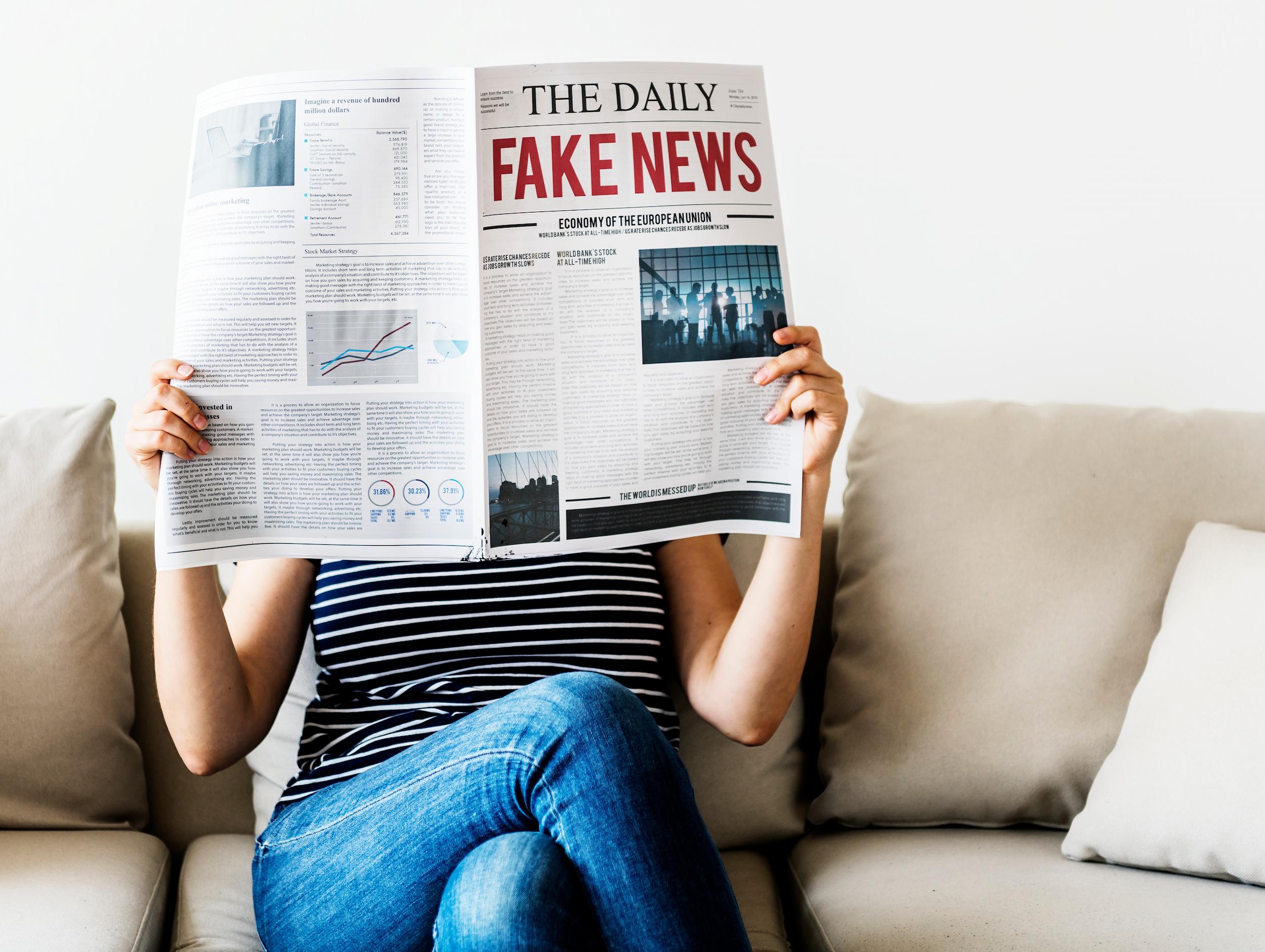
We often talk about misinformation as if the fix is just giving people better facts. In public health, it's rarely that simple. People go looking for health information when they're worried, uncertain, angry, overwhelmed, or trying to make decisions for themselves and their families. What they end up trusting depends on who's speaking, how institutions have behaved, and whether they feel heard — not just on the message itself.
This lunch talk is about what it actually looks like to work with misinformation in a way that's useful and accountable. Where does public health communication end and persuasion begin? How do we avoid turning health professionals into mouthpieces for "official messages"? And why should digital health literacy support better conversations rather than just better fact-checking?
The session is organised by Barthélémy Moreau de Lizoreux (Sciensano) and Maia Romanowska (SETU, Waterford), and brings together Neville Calleja (University of Malta), Elisabeth Wilhelm (University of West Attica) and Tina Purnat (Harvard University) to ask how public health can move past debunking and build the kind of everyday capacity that helps people make sense of health information — before the next crisis hits.
Join us over lunch on Thursday 7 May, 13:00–14:00 Brussels time.