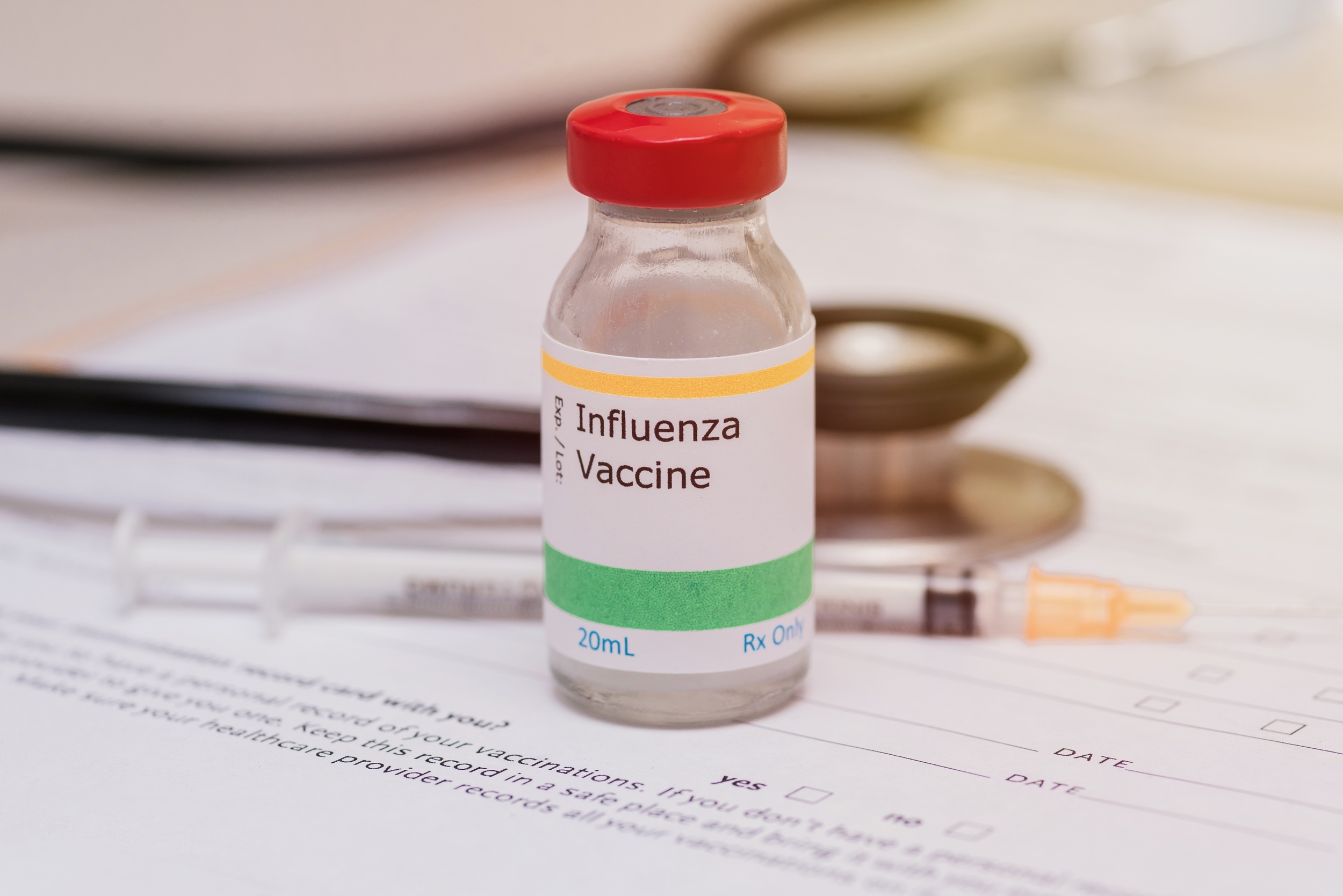
The European Public Health Association (EUPHA) condemns the recent decision by the United States Food and Drug Administration (FDA) to decline even to review Moderna’s new mRNA-based influenza vaccine, despite evidence from late-stage clinical trials demonstrating that the vaccine was safe, effective, and ready for regulatory assessment.
This decision, taken against the advice of FDA scientific staff and without transparent scientific justification, represents a troubling departure from evidence-based regulatory practice. Experts warn that the refusal has already created deep uncertainty across the global vaccine research community, with developers facing “chills up and down the spines” of those working to advance new vaccines.
The implications extend far beyond a single product. The United States plays an outsized role in shaping global vaccine development pathways. When a major regulator unexpectedly applies new criteria retroactively, or declines to review a vaccine after previously approving its study design, it jeopardises the predictability on which scientific investment depends.
There is a real risk that such decisions will discourage future investment in critical vaccine technologies. Developers are already signalling concern that “the well [may] dry up on new vaccines,” particularly at a time when the world urgently needs next-generation tools to address influenza, COVID‑19, and future emerging infectious threats. This risk is compounded by the growing vulnerability of high-income countries to infectious diseases driven by rapid urbanisation, increasing human–animal contact, climate change, declining biodiversity, globalised travel and transport, major changes in land use, and emerging environmental pollutants that can disrupt immune systems in both animals and humans.
EUPHA views this situation as a serious setback for global public health innovation. mRNA technologies have demonstrated their value in enabling rapid vaccine development, scalable manufacturing, and flexible responses to new variants. Undermining confidence in these platforms without scientific justification threatens progress in infectious diseases, cancer immunotherapies, and pandemic preparedness.
EUPHA’s Call to Action
EUPHA urges European institutions to respond decisively, not only to protect scientific integrity, but also to uphold the values and tangible benefits that matter to the public and elected leaders.
Reaffirm Europe’s commitment to trustworthy and people-centred regulation
Beyond scientific rigour, regulatory decisions must be communicated in terms that resonate with the public’s core values: freedom, autonomy, and the ability to live healthy, secure lives. This requires transparent processes that clearly show how vaccine regulation protects families, reduces disruption to work and daily life, and safeguards personal choices, thereby helping restore legitimacy and public trust.
Emphasise the direct benefits of vaccines for individuals, families, and communities
Vaccines and vaccine innovation reduce the burden on healthcare systems, prevent illness-related income loss, and keep schools, workplaces, and essential services functioning. Highlighting these immediate, relatable benefits, rather than relying solely on abstract scientific justification, helps make the case for public and political support.
Strengthen Europe’s long-term vaccine R&D capacity as a driver of economic opportunity
Investment in vaccine development supports high-value jobs, maintains Europe’s competitive position in global markets, and contributes directly to GDP. Articulating these economic and reputational gains helps decision-makers understand that robust vaccine innovation is not only a public health priority but also a strategic economic asset.
Connect vaccine policy to widely shared societal values
Effective vaccination systems reinforce the collective ability to live freely without the constraints of preventable disease outbreaks. Framing vaccines as tools that protect personal freedom, preserve autonomy, and secure a stable environment for children and elderly parents can bridge divides with groups that may distrust institutions or perceive public health as distant from their everyday lives.
Work internationally to support fair, predictable, and values-aligned regulation
Building alliances that emphasise not just scientific standards but also shared societal aspirations, such as safety, security, and prosperity, will help maintain public confidence and sustain a regulatory environment that supports innovation and protects people’s lives and livelihoods.